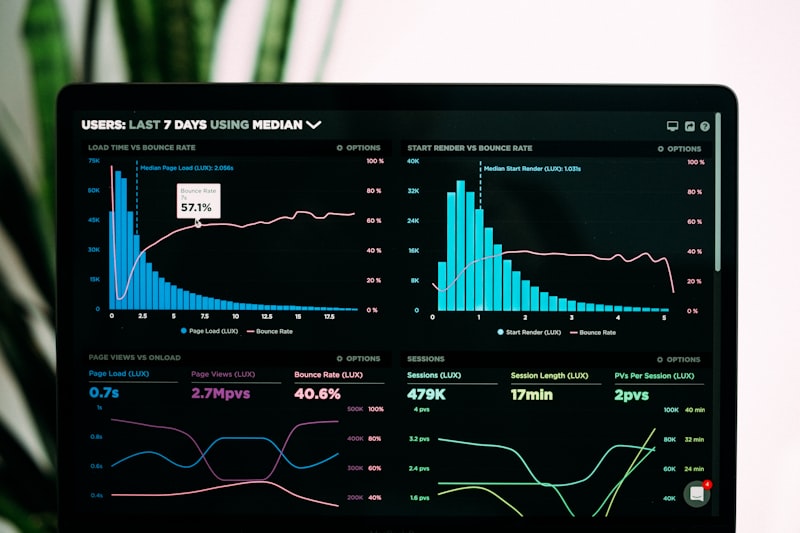
Bridging the Gap: Physical-to-Digital Tracking
For decades, offline marketing was a guessing game. Brands spent millions placing billboards along highways, mailing postcards, and distributing flyers. But measuring exactly how many customers visited a store or bought a product because of a specific billboard was nearly impossible.
Dynamic QR Codes have permanently solved this dilemma. By acting as trackable digital portals on physical assets, they bring the precision of online digital analytics (like Google Analytics) to the physical world.
Let's explore the valuable metrics you can track with dynamic QR codes and how to leverage this data to optimize conversions.
Core Metrics Captured by Dynamic QR Codes
When a user scans a dynamic QR code created on QR Studio, the redirection engine captures critical non-identifying metadata before routing the visitor to the destination. Here is the data you unlock in your dashboard:
1. Scan Counts (Volume Trends)
- Total Scans: The absolute number of times your QR code was scanned. If one user scans a code five times, it registers as five scans.
- Unique Scans: The number of individual devices that scanned the code. This is measured using anonymized browser cookies and hashes, telling you exactly how many *unique people* engaged with your physical placement.
2. Temporal Distribution (When they scan)
- Scans by Hour: Do users scan your restaurant menu QR code at lunch or dinner?
- Scans by Day of Week: Are weekend shoppers engaging more with your window display than weekday commuters?
- This temporal data helps you optimize staffing, schedule promotional hours, or coordinate real-time push notifications.
3. Geographical Mapping (Where they scan)
- Country and Region: Using secure IP lookups, the system displays the city, state, and country of the scanning device.
- Use Case: If a fashion brand runs a multi-city poster campaign, geographical analysis reveals which transit stations or neighborhoods generate the highest engagement, allowing them to allocate print budgets more effectively.
4. Device and Platform Analysis (How they scan)
- Operating System (OS): The percentage of users on iOS (Apple) vs. Android.
- Browser: Whether the scan occurred through Safari, Google Chrome, or built-in in-app browsers like the Instagram or WeChat scanner.
- This ensures developers and designers can optimize the landing page experience for the exact screens and browsers their audience uses.
Practical Analytics Strategies: A Real-World Example
Let's trace how a retail company, "Aura Apparel," optimized a product launch using dynamic QR codes:
Physical Poster in Subway (QR Code A) -----                                              ---> Unified Landing Page ---> Purchases
Physical Poster in Mall (QR Code B)   -----  /
                                            ---> Tracked Separately in Dashboard
Physical Flyer in Bag (QR Code C)     -----/
The Setup:
Aura Apparel designed a beautiful poster featuring their new line. They wanted to test three physical placements:
1. Poster A in a crowded downtown subway station.
2. Poster B inside a suburban shopping mall.
3. Flyer C placed inside customers' checkout bags.
Instead of printing the same QR code, they generated three separate dynamic codes pointing to the *same* promotional landing page but grouped under different tracking labels.
The Insights:
After two weeks, the marketing team reviewed their QR Studio analytics:
- Subway Poster A: Generated 5,400 scans, but the average bounce rate on the landing page was 85%. Why? Commuters on the go had poor internet reception or were in too much of a rush to complete a checkout.
- Shopping Mall Poster B: Generated 1,200 scans with a high conversion rate of 12%. Mall visitors were already in a shopping mindset and had time to browse.
- Checkout Bag Flyer C: Generated only 600 scans but yielded an extraordinary 35% repeat purchase rate. These were already verified buyers.
The Strategic Shift:
Using this data, Aura Apparel stopped spending money on expensive subway poster slots. They reallocated that budget to printing highly personalized checkout flyers and placing large, interactive screens in shopping malls.
Best Practices for Maximizing Analytics Accuracy
To ensure your tracking data is as clean and useful as possible, apply these three concepts:
1. Use One Dynamic Code per Placement: If you place a QR code on a business card, a banner, and an email signature, make sure each has its own distinct dynamic record. Mixing them ruins your channel attribution.
2. Implement UTM Parameters: Combine your dynamic QR codes with Google Analytics UTM parameters (e.g., `?utm_source=flyer&utm_medium=qr&utm_campaign=spring_launch`). This carries your physical tracking data seamlessly into your main website analytical dashboards.
3. Keep the Redirect Fast: Use a high-performance routing network. A slow redirect causes users to close their browser before the page loads, leading to "lost scans" where the click is counted but no user activity is logged on the final site.
Conclusion
Stop guessing whether your physical print media is working. Dynamic QR codes lift the veil of mystery, offering precise digital accountability for real-world interactions.
*Ready to start tracking your offline marketing campaigns? Upgrade your print media and analyze user engagement with [QR Studio Analytics](/dashboard).*